— Nutrition Science
The Conversation Indian Women Weren’t Given: Breaking the Silence Around Hormonal Health
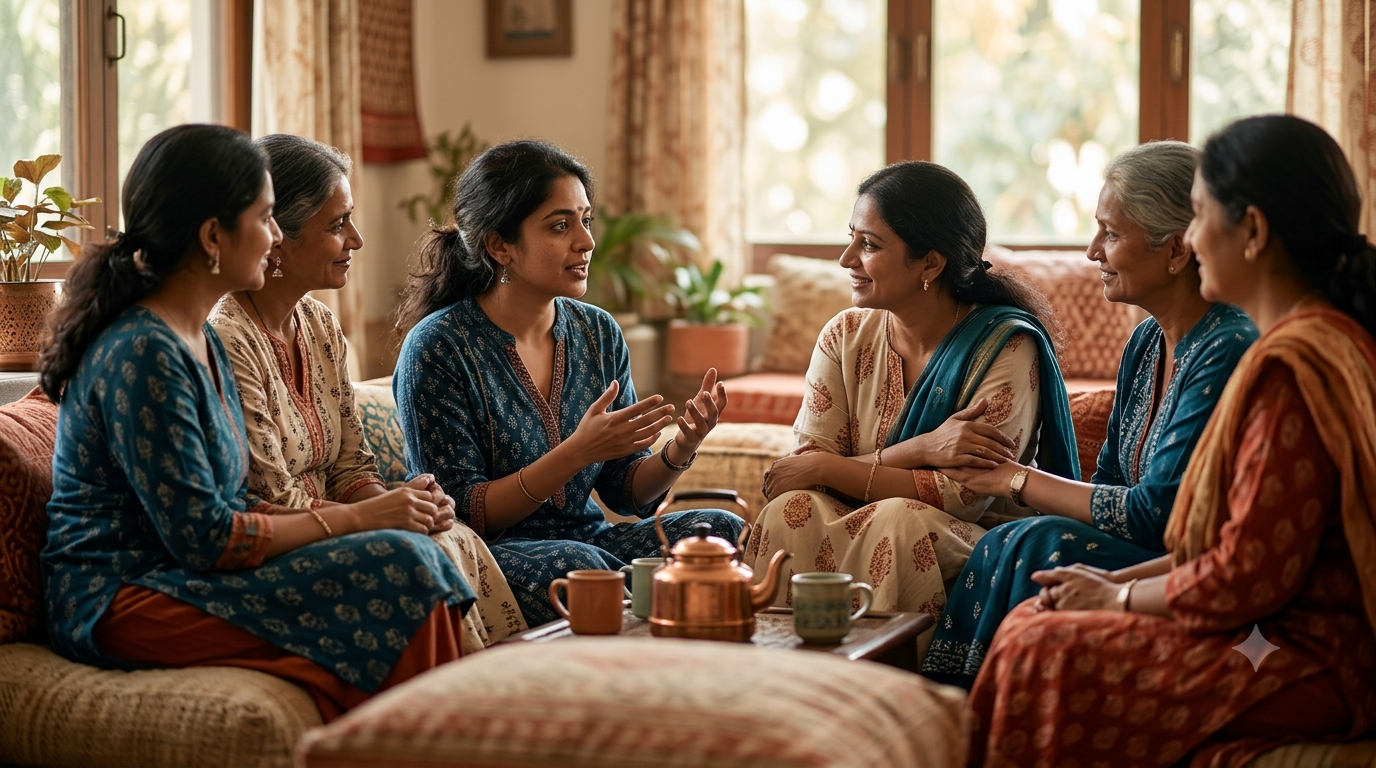
Most Indian women can recall the exact way they first learned about their own cycle: a hushed conversation, a euphemism instead of a real word, an instruction to keep it private rather than an explanation of what was actually happening in their body. That early template — this is not something we discuss — tends to stay with us. So when something feels genuinely off later in life — cycles that won’t settle into a rhythm, mood swings that feel disproportionate, unexplained fatigue, changes in skin or hair — many women’s first instinct isn’t to investigate. It’s to stay quiet and hope it passes, the same way they were taught to the first time around.
That silence has a real cost. This article exists to push against it a little.
The scale of what's being kept quiet
Hormonal health issues in Indian women are far more common than the near-total public silence around them would suggest. Polycystic Ovary Syndrome (PCOS) alone — one of the most common hormonal conditions affecting women of reproductive age — is estimated by various Indian studies to affect anywhere from under 10% to over 20% of women in that age group, depending on the region and diagnostic criteria used. Multiple studies specifically examining the Indian context point to low awareness, delayed diagnosis, and significant cultural stigma — particularly around symptoms like irregular periods, acne, or excess hair growth — as major reasons the condition so often goes unaddressed for years.
And PCOS is only the most-studied example. Thyroid irregularities, perimenopausal symptoms, and stress-driven hormonal disruption all carry a similar pattern in India: real, common, and radically under-discussed relative to how often they actually occur.
None of this is a personal failing. It’s the predictable output of a culture that, for generations, treated female hormonal health as something to manage silently rather than understand openly.
What "hormonal balance" actually means, in plain terms
Your endocrine system is a network of glands producing hormones that regulate an enormous range of everyday function — mood, energy, metabolism, sleep, skin, and of course the menstrual cycle. “Balance” here doesn’t mean some perfect, unchanging state; hormone levels are supposed to fluctuate, across a cycle, across life stages, across stress levels. The concern isn’t fluctuation itself — it’s fluctuation that’s become disruptive, irregular, or accompanied by symptoms that affect daily life.
This is an important, and deliberately careful, distinction: everyday hormonal wellness support is not the same thing as treating a diagnosed endocrine disorder. We’ll come back to that distinction, because it matters more in this category than almost any other.
What Ayurveda has long said about this — and where it stops
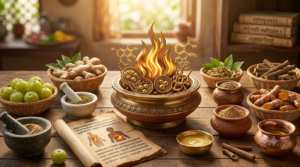
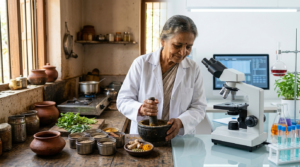
Long before “hormonal health” was a phrase in common use, Ayurvedic tradition maintained a specific, dedicated body of knowledge around women’s reproductive wellness, built around particular botanicals used consistently across generations.
Shatavari (Asparagus racemosus) is probably the best-known of these — classically described as a rasayana, a rejuvenating tonic, specifically associated with women’s reproductive tissue and used traditionally to support hormonal wellness across different life stages. It remains one of the most extensively referenced botanicals in Ayurvedic literature on women’s health, and continues to be an active subject of modern research interest.
Lodhra (Symplocos racemosa) is a less globally famous but equally classical Ayurvedic botanical, traditionally used to support menstrual regularity and general reproductive wellness.
Aethralife’s Hormone Balance System is formulated around Shatavari and Lodhra Extract, alongside Pudina (mint) extract for its traditional cooling, digestive-supportive role — every botanical selected specifically against the FSSAI’s approved ingredient framework for nutraceuticals, so tradition and current Indian food-safety regulation are both satisfied by the same formulation, not treated as separate boxes to tick.
Here is the distinction we want to be completely unambiguous about: these are botanicals traditionally used to support general hormonal wellness — they are not a treatment, cure, or management protocol for PCOS, thyroid disorders, menopause, or any other diagnosed medical condition. If you have, or suspect you have, a diagnosed hormonal condition, the right first step is always a doctor, not a supplement aisle. A wellness product’s job is to support an already-reasonably-functioning system a little better — not to substitute for medical care when something is actually wrong.
Everyday habits that genuinely support hormonal wellness
Alongside — never instead of — appropriate medical care where it’s needed, a handful of everyday habits have real, broad support for hormonal wellness:
- Consistent sleep timing. Several key reproductive and stress hormones follow a roughly 24-hour rhythm; irregular sleep schedules measurably disrupt that rhythm.
- Managing chronic stress. Sustained high stress keeps cortisol elevated, which has documented knock-on effects on reproductive hormone signalling.
- Regular movement, even moderate — walking, yoga, or similar — is one of the more consistently evidenced lifestyle factors linked to better hormonal and metabolic markers.
- Not skipping meals irregularly. Erratic eating patterns affect insulin signalling, which is closely intertwined with reproductive hormone regulation, particularly relevant to PCOS specifically.
FAQs
Frequently Asked Questions
No. It is formulated as a general wellness supplement, using botanicals with a traditional history of supporting hormonal wellness, and is not intended to diagnose, treat, cure, mitigate, or prevent PCOS or any other medical condition. If you have a diagnosed hormonal or reproductive health condition, please work with your doctor.
Please see a gynaecologist or general physician for a proper evaluation rather than self-diagnosing or self-treating. Early diagnosis genuinely does lead to better long-term management, and PCOS in particular is commonly under-diagnosed in India specifically because symptoms go unreported for a long time.
Shatavari has a long history of traditional use, but as with any botanical supplement, individual suitability can vary — for example, it may not be appropriate during certain medical treatments or for people with specific allergies. Please check the full ingredient list and consult a doctor before use, particularly if you are pregnant, breastfeeding, on hormonal medication, or managing an existing condition.
Please follow the specific age guidance on the product label. Hormonal changes during adolescence are a normal developmental process, and any concerning symptoms in a teenager should be discussed with a paediatrician or doctor rather than managed with a supplement alone.
There’s no single cause, but generations of treating menstruation and reproductive health as private-to-the-point-of-secret, combined with